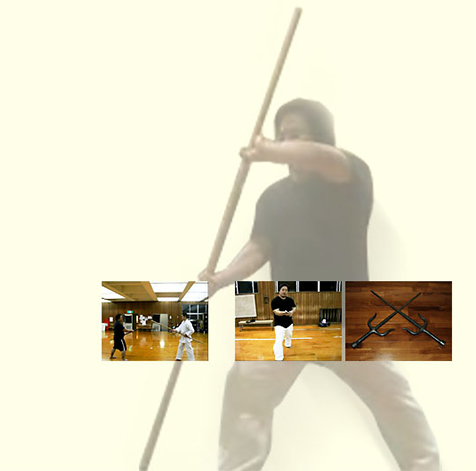
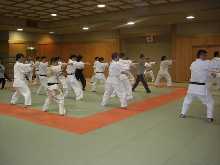
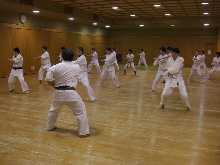
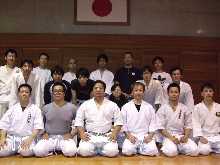
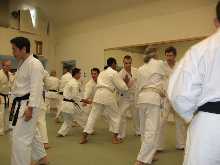
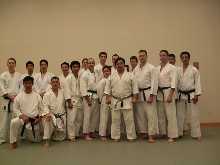
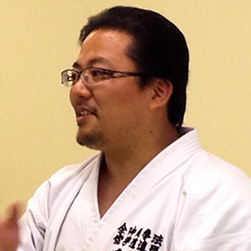
Okinawa-kenpo is a karate style which has been developed based on ancient Okinawan martial arts called "Ti". Its technique and thought were studied and refined by a Tomari-te master, Shinkichi Kuniyoshi (also known as "BUSHI" Kuniyoshi) and passed down to Grand Master Shigeru Nakamura, the founder of Okinawa-kenpo. Grand Master Nakamura opened his own dojo "Okinawa-kenpo Karate-do Shurenjo" at Onaka, Nago city and taught his art of karate.
Written in Japanese.
Japanese fonts required to view this contents
Where the CD 301 shows its age is in soundstage depth and ultimate resolution compared to high-end modern DACs. It’s slightly rolled off in the very top octave and less holographic. But for sheer musical enjoyment, it remains a stunning performer, especially with rock, jazz, and vocal-centric recordings.
: Many DIY enthusiasts target this model for "pimping"—upgrading the internal capacitors and power supplies to extract even more detail from the DAC.
A 66-page manual covering basic setup and functions in multiple languages including English and German. Service Manual (Free Download)
The CD 301 is highly regarded for its specific internal architecture: DAC (Digital-to-Analog Converter): Features the , a classic 16-bit DAC known for its musicality. CD Mechanism: Philips CDM-4/19
Built with the bulletproof, ultra-reliable Philips CDM-4 transport mechanism, ensuring smooth and fast disc reading. Origin: Proudly made in Belgium.
Old style karate techniques and training methods still remain in our system. We train with those methods, which are rarely seen in other Ryuha these days.
Tanren-hou (Training method)
Okinawa-sumo (traditional Okinawan wrestling)
Torite (grabbing)
Buki-jutsu (weapons)
Our techniques, from empty hands to weapons,are incorporated in a coherent system and consist of common basic skills.
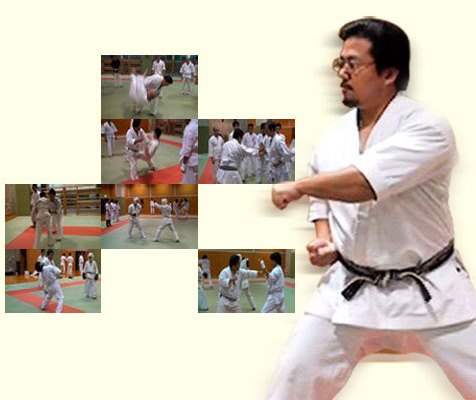
Historically, Okinawa-kenpo inherited various Kata.
The following is a list of kata which are practiced at Okinawa-kenpo Karate-do, Oki-ken-kai
Karate
Weapons
Where the CD 301 shows its age is in soundstage depth and ultimate resolution compared to high-end modern DACs. It’s slightly rolled off in the very top octave and less holographic. But for sheer musical enjoyment, it remains a stunning performer, especially with rock, jazz, and vocal-centric recordings.
: Many DIY enthusiasts target this model for "pimping"—upgrading the internal capacitors and power supplies to extract even more detail from the DAC.
A 66-page manual covering basic setup and functions in multiple languages including English and German. Service Manual (Free Download)
The CD 301 is highly regarded for its specific internal architecture: DAC (Digital-to-Analog Converter): Features the , a classic 16-bit DAC known for its musicality. CD Mechanism: Philips CDM-4/19
Built with the bulletproof, ultra-reliable Philips CDM-4 transport mechanism, ensuring smooth and fast disc reading. Origin: Proudly made in Belgium.
We, Okinawa-kenpo Karate-do Oki-Ken-Kai, work on in a unit called "Keiko-kai".
is a group of like-minded people to practice Okinawa-kenpo any time and anywhere.
Today, there are Keiko-kai in eight region Japan;
Shihan Yamashiro visits each Keiko-kai regularly, trains them, and conducts open seminars.


Shihan Yamashiro has been invited by masters of other styles, and conducted seminars regularly.


He started practicing karate when he was little with his father, Tatsuo Yamashiro, who inherited "Ti" from Hiroshi Miyazato.
He won 1st place at "All Okinawa Full Contact Fighting with Bogu Gear Tournament" in 1992 and 1993,
Written in Japanese.
Japanese fonts required to view this contents